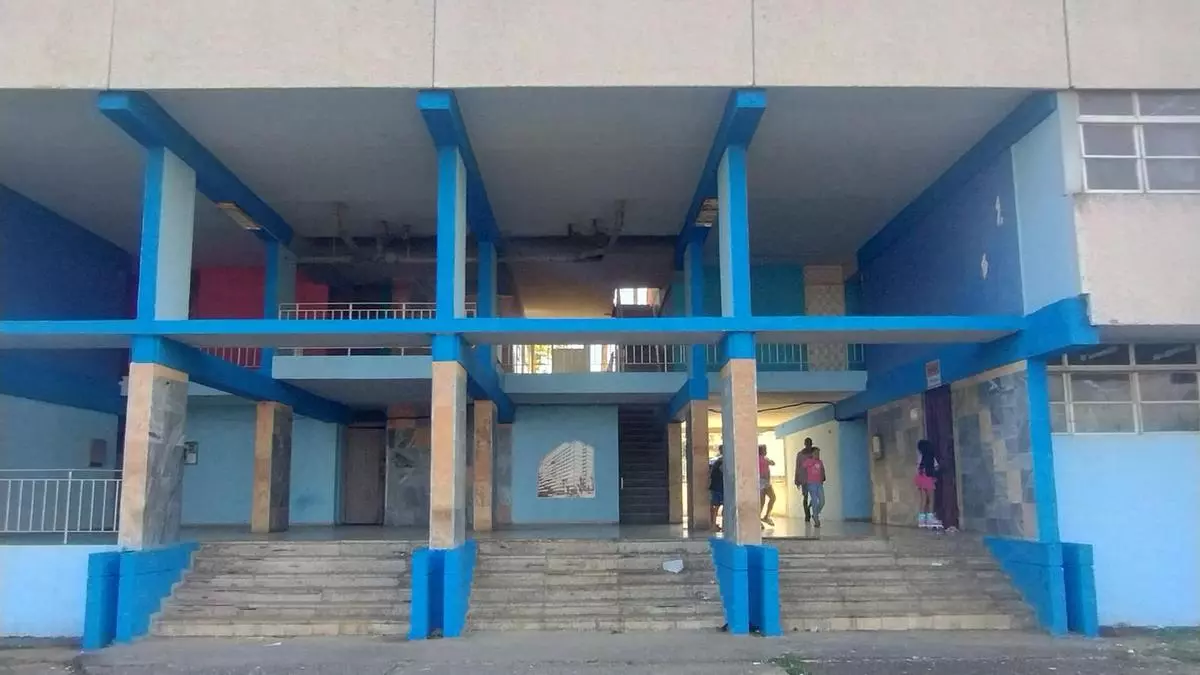



The Caribbean region is navigating a complex geopolitical reality as Cuba endures a profound national crisis. A recent, prolonged nationwide blackout left most of the island without power, a situation stemming from long-standing structural weaknesses and acute geopolitical pressure. This event coincided with a renewed threat from former US President Donald Trump to 'take over' the island. For the Caribbean, Cuba's struggle is not a distant concern but a revealing episode within its immediate environment, demonstrating how influence can be exercised when international restraint appears optional.
The crisis exposes the limits of long-held diplomatic assumptions. Caribbean states have historically relied on international order and institutions like the United Nations to protect the sovereignty of smaller nations. However, as Cuba's situation shows, while international law may clearly define legitimacy, it does not always guarantee restraint from more powerful states. This creates a fundamental question for regional leadership: what secures the position of small states when power proceeds without the need for justification? The answer requires moving beyond abstract principles to practical, disciplined thinking in governance.
Amid this diplomatic trauma, the resilience of Caribbean societies is evident. In Jamaica, the tradition of sharing Easter bun and Tastee Cheese has taken on new significance as a symbol of unity and endurance following recent hardships like Hurricane Melissa. This cultural cornerstone, adapted from the British hot cross bun into a uniquely Jamaican delicacy, represents the community's ability to preserve heritage and find comfort together. Similarly, in the realm of sport, the region celebrates excellence, as seen with all-rounder Jason Holder's selection to the 2026 ICC Men's T20 World Cup Team of the Tournament following standout performances for the West Indies.
The region's internal political dynamics also reflect the complexities of the Cuba dilemma. In Jamaica, the opposition leader has publicly expressed doubt over the government's reasoning for ending a Cuban health program, indicating ongoing debate and tension regarding how to manage relationships amid the crisis. This illustrates the competing internal pressures Caribbean governments must navigate. The broader lesson for the region is clear: thriving beyond this trauma requires acknowledging the new geopolitical reality while drawing strength from internal unity, cultural resilience, and disciplined, pragmatic leadership that can make informed decisions for an uncertain future.